In every society, elders hold the wisdom of generations. They are carriers of culture, memories, traditions, and values that shape families and communities. Yet, despite their lifelong contributions, many elders today face isolation, neglect, and loneliness. Modern society—fast-paced, technology-driven, and often self-focused—tends to overlook the needs of its aging population. As families evolve and daily …

In every society, elders hold the wisdom of generations. They are carriers of culture, memories, traditions, and values that shape families and communities. Yet, despite their lifelong contributions, many elders today face isolation, neglect, and loneliness. Modern society—fast-paced, technology-driven, and often self-focused—tends to overlook the needs of its aging population. As families evolve and daily responsibilities intensify, elder care has quietly shifted from a shared duty to a forgotten responsibility.
The Growing Crisis of Elder Neglect
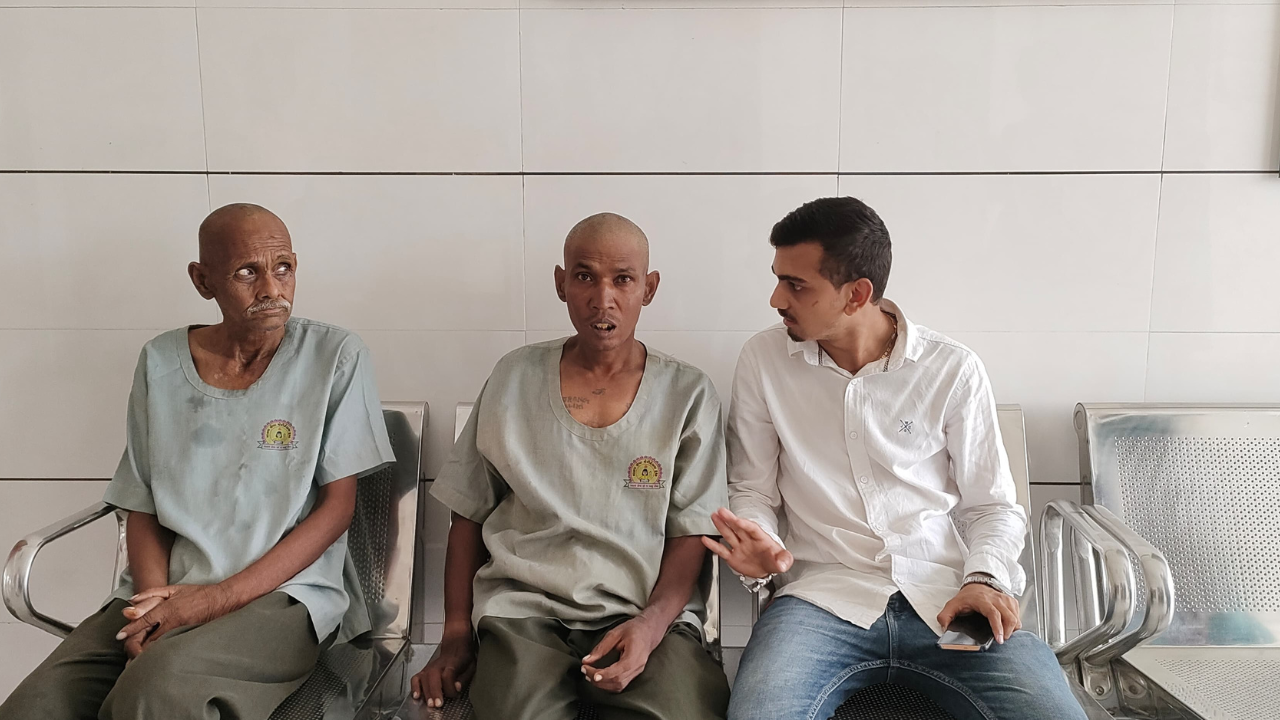
Across many communities, a large number of elders live alone, unsupported and unseen. Some have lost their partners, while others have been distanced from their families due to work migration, financial stress, or emotional disconnect. Many depend entirely on small pensions, inconsistent income, or the goodwill of neighbors. Physical challenges, illnesses, and limited mobility make daily tasks—cooking, cleaning, buying groceries—difficult or impossible.
What makes their struggle even harder is the emotional pain of loneliness. With children moving away and social circles shrinking, elders often face days filled with silence. This isolation leads to depression, anxiety, low self-worth, and declining health. In societies where family bonds were once strong, this loneliness has become one of the most painful consequences of modernization.
Why Elder Care Matters More Than Ever
Elders have spent a lifetime working, raising families, and contributing to society. They deserve comfort, respect, and dignity in their later years. Caring for elders is not just a moral obligation—it is an act of humanity.
When elders receive proper care, they experience:
- Improved physical health
- Emotional stability
- Reduced risk of illness
- Greater sense of belonging
- Renewed confidence and hope
The care they receive today reflects the values we wish to preserve for future generations. How a society treats its elders says everything about its compassion and responsibility.
Challenges That Elderly Individuals Commonly Face
Understanding the difficulties elders face is the first step towards meaningful support.
1. Health Problems and Limited Mobility
Aging brings natural physical decline. Chronic diseases, joint pain, and weakness make everyday tasks difficult. Many elders cannot visit hospitals regularly due to mobility issues or lack of support.
2. Financial Instability
With no stable income, elders struggle to afford medication, food, and essential items. Widows and single elderly individuals are especially vulnerable.
3. Emotional Isolation
Loneliness is one of the biggest challenges elders face. Feeling forgotten or unimportant can lead to mental stress and emotional breakdown.
4. Social Neglect
As society moves faster, elders often feel invisible. With limited interaction, they lose the emotional connection vital for a healthy, happy life.
5. Dependency and Loss of Dignity
Elders want self-respect, not pity. When they depend entirely on others for survival, they often feel like a burden.
These issues underline the need for proactive elder care programs and community involvement.
How Community Support Restores Dignity to Elders
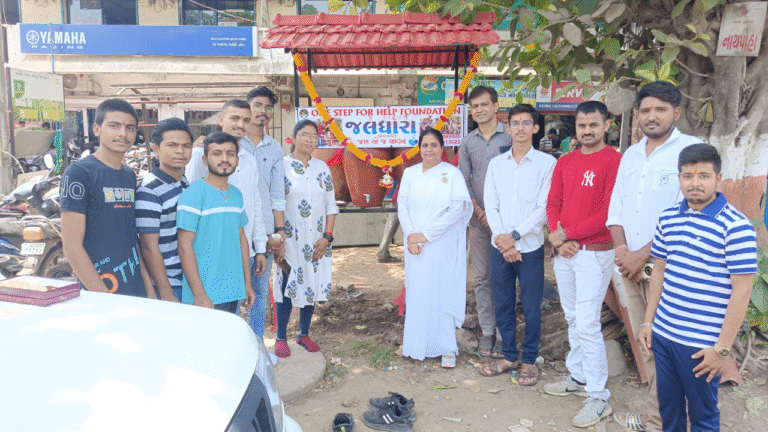
Organizations and compassionate individuals play a crucial role in filling the gap. Elder care initiatives provide essential support to those who are struggling alone. These efforts include:
- Ration kits
- Medical aid
- Regular check-ins
- Emotional companionship
- Home visits
- Hygiene essentials
- Warm clothing
- Festival support
Such interventions restore dignity and strengthen their belief that society still cares.
Ration Kits: A Lifeline of Stability
For many elders, regular meals become a daily challenge. Ration kits ensure they have access to basic food supplies like rice, flour, pulses, oil, and spices. This not only relieves their financial burden but also reduces their emotional stress. With food security, elders regain their strength, health, and peace of mind.
Medical Support: Addressing a Critical Need
Providing medicines, doctor consultations, and basic healthcare items makes a tremendous difference. Many elders avoid treatment due to cost. Medical support helps them manage chronic conditions and reduces the risk of major illnesses.
Emotional Care: The Most Powerful Support
Elders need more than material support—they need connection. Spending time with them, listening to their stories, celebrating festivals, and treating them with respect can heal emotional wounds that medicines often cannot. Emotional care restores their sense of identity and belonging.
Why Modern Society Must Reclaim This Responsibility
Caring for elders should not be a forgotten task—it must be a shared responsibility. Families, communities, organizations, and individuals must come together to support those who once supported us. Elders deserve to feel valued, respected, and included.
Reclaiming this responsibility also teaches younger generations the importance of empathy. When children witness compassion toward elders, they grow with values of kindness and respect.
Restoring Honor to Those Who Built Our Today
Elders are the roots of our society. They gave us the strength, culture, and foundation upon which we build our lives. As they enter the later stages of life, it becomes our turn to support them with dignity, care, and love. The true strength of a society lies not in its technology or progress, but in its humanity.
Caring for elders is not charity—it is gratitude. It is honor. And it is a responsibility we must never forget.