Poverty affects far more than a family’s income. It shapes the opportunities a child receives, the environment they grow up in, and the future they can envision. For millions of underprivileged children, education is the difference between being trapped in hardship and stepping into a brighter, more stable future. Among all the tools available to …

Poverty affects far more than a family’s income. It shapes the opportunities a child receives, the environment they grow up in, and the future they can envision. For millions of underprivileged children, education is the difference between being trapped in hardship and stepping into a brighter, more stable future. Among all the tools available to fight poverty – food aid, healthcare, shelter – education remains the most transformative and long-lasting solution. It does not just change one moment in a child’s life; it changes their entire life trajectory.
Education Unlocks Opportunities That Poverty Hides
Children born into poverty often struggle to access even basic education. Families may not afford school supplies, uniforms, transport, or fees. Many children are forced into labor, household responsibilities, or irregular attendance simply because finances don’t allow anything else. Without intervention, they remain stuck in the same cycle their parents lived through.
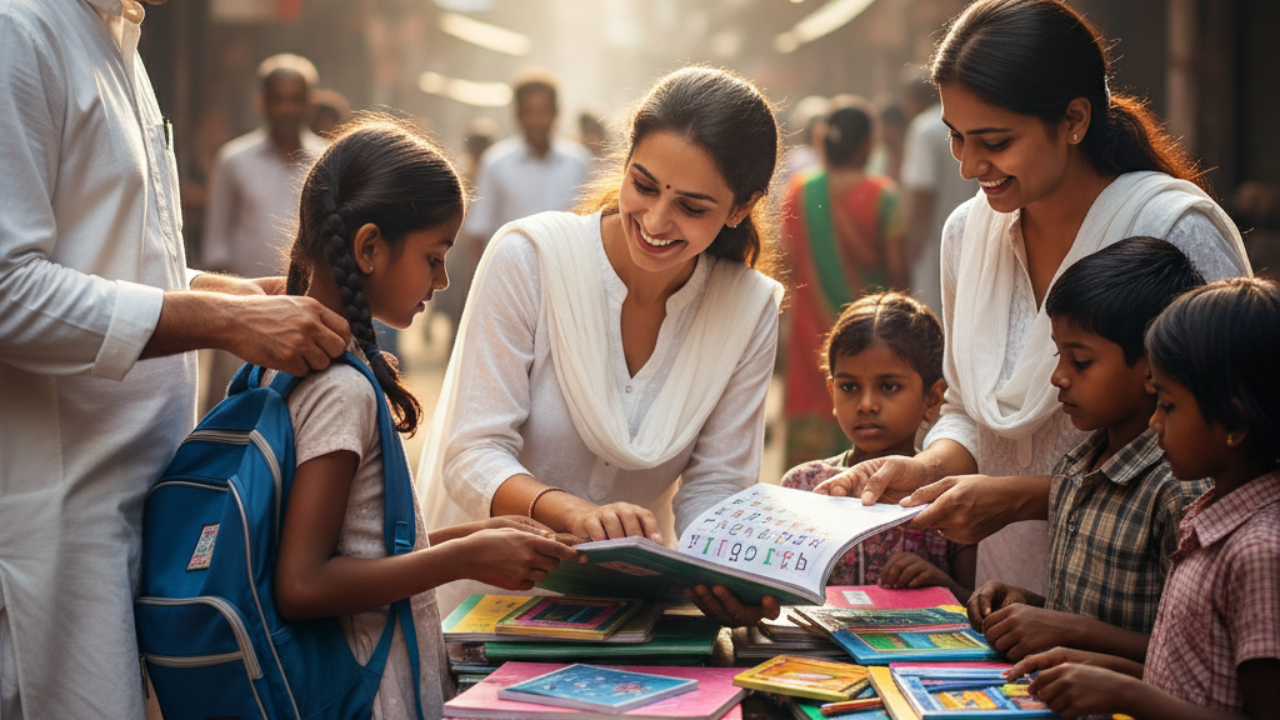
This is where education support becomes life-changing. When a child receives school resources, mentoring, tuition support, or scholarships, they begin to see opportunities that were once hidden by poverty. Education equips them with essential literacy skills—reading, writing, critical thinking—that form the foundation for employability and independence. With each year of schooling, a child’s earning potential, confidence, and future options increase significantly.
A child who stays in school is far more likely to secure stable employment, escape low-paying labor, and support their family in the long run. Education becomes the bridge that carries them away from generational poverty.
Education Strengthens Families and Communities
The impact of education extends beyond individual students—it strengthens entire communities. When children receive consistent educational support, they:
- Become more aware of hygiene, health, and safety
- Help their siblings study
- Avoid risky labor or exploitation
- Gain better employment opportunities
- Make informed decisions as adults
Educated communities have lower crime rates, better health outcomes, and greater economic stability. The benefits ripple outward to families, neighborhoods, and future generations.
Girls’ education, in particular, creates powerful change. Educated girls are more likely to delay early marriage, have healthier families, contribute economically, and break intergenerational cycles of poverty. A single girl provided with educational support often uplifts her entire family.
Education Builds Confidence, Identity, and Life Skills
Education does far more than teach academic subjects. It builds personality, confidence, and a child’s sense of identity. A classroom becomes a safe space where children learn values such as discipline, teamwork, leadership, creativity, and communication. These skills shape the adults they become.
For children from vulnerable backgrounds—who often face hunger, instability, or emotional stress—school becomes a place of structure and encouragement. Teachers and mentors act as positive role models who guide them, motivate them, and help them envision a different future. This emotional support is equally important in helping them stay committed to learning.
Children who feel valued and supported are more likely to stay in school, dream higher, and pursue meaningful careers. Education builds the self-belief needed to rise above poverty.
Support Systems Prevent Dropouts and Improve Learning
Many children drop out not because they don’t want to learn, but because the obstacles become too heavy to carry alone. Education support programs reduce this burden by providing:
- School bags, books, and stationery
- Uniforms and shoes
- Scholarship assistance
- After-school classes and tutoring
- Digital learning tools
- Emotional guidance and mentorship
- Transport support for distant schools
These interventions ensure that children do not merely enroll—they succeed. Even small contributions, such as notebooks or exam fees, can be the difference between continuing education and dropping out permanently.
Education Creates Long-Term, Sustainable Change
Relief efforts like food, clothing, or festival support help families temporarily, but they do not change the foundation of their future. Education, however, creates long-term impact. It empowers children to earn on their own, live independently, and change their family’s circumstances forever.
Educated individuals contribute to society in ways that extend well beyond economics. They raise aware families, make better financial choices, and promote a culture of progress. This creates a domino effect of growth—turning individual change into community transformation.
The Future Requires Educated Minds
Today’s world demands skills—digital literacy, communication, technical knowledge, and problem-solving abilities. Without education, children are left completely unprepared for the modern job market. Supporting their learning today ensures they can compete tomorrow.
Education gives children the tools to adapt to change, learn continuously, and pursue opportunities that lift them out of poverty. It is the most sustainable pathway toward independence and empowerment.
Education Is the Strongest Equalizer
Education is more than a right—it is a lifeline. It empowers children to rise beyond poverty, build strong futures, and uplift their families. When you support a child’s education, you don’t just help them—you transform generations.
A notebook, a school bag, a scholarship, or a mentor can open the door to a new world. Education remains the strongest, most reliable, and most impactful pathway out of poverty—and every child deserves access to it.